
Liquid-Liquid Chromatography for Pharmaceutical Industry
LiLiCHRO
Pharma purification is becoming a strategic step in pharmaceutical R&D, process development, and scale-up. LiLiChro helps pharma teams evaluate when CPC / centrifugal partition chromatography and liquid-liquid chromatography can support compound purification, molecule separation, and scalable chromatographic separation.

Where LiLiChro CPC Adds Value
in your Purification Workflow
1
Discovery
Complex molecules enter the pipeline
2
Process Development (Preclinical)
Screening & method development
3
Process Development (Pilot Scale)

Evaluate CPC / Liquid-Liquid Chromatography for scalable, robust purification
4
Clinical Manufacturing (Phase I–II)
Scale with confidence Reduce risk before committing to large scale
5
Commercial & Regulatory (Phase III–Launch)
Process locked in for regulatory filing and commercial supply
Purification is becoming a strategic step in pharmaceutical development
Pharmaceutical pipelines are shifting toward more complex molecules, higher purity expectations, and more demanding process-development requirements. For many teams, purification is no longer just a downstream operation. It directly affects yield, timeline, cost of goods, process robustness, and scale-up confidence.
LiLiChro helps pharmaceutical teams evaluate when centrifugal partition chromatography (CPC) can become a practical part of the purification strategy. The pharma research identifies LiLiChro’s strongest opportunity around process development and production scale, especially before a process becomes locked into a regulatory filing.
Higher Yield
Recover more of the valuable APIs.
Consistent Purity
Deliver reliable quality batch after batch.
Scalable Processes
Seamless scale-up from lab to industrial production.
Lower Costs
Reduce solvent use, downtime and OpEx.
Pharma purification for complex compounds
For teams working with:
API isolation, synthetic intermediates, and high-value pharmaceutical compounds.
Typical challenge:
Achieving reproducible compound purification while managing cost, solvent use, and scale-up risk.
LiLiChro relevance:
CPC can support preparative chromatography workflows where support-free molecule separation offers an advantage over solid-phase methods.
For teams working with:
Peptides, peptide analogues, cyclosporine-like molecules, and high-value therapeutic compounds.
Typical challenge:
Maintaining recovery while reaching required purity.
LiLiChro relevance:
The pharma research gives peptide purification a very strong CPC fit score and identifies it as a high-priority use case.
For teams working with:
Ionizable lipids, lipid components, and delivery-system-related compounds.
Typical challenge:
Removing synthesis by-products while preserving compound stability.
LiLiChro relevance:
CPC can be evaluated as a support-free purification technology for selected lipid purification workflows. LNP components are identified in the pharma research as a high-attractiveness CPC opportunity.
Check our our application notes: Ionisable Lipid Purification Under Water-Free Conditions
For teams working with:
Chiral intermediates, precursors, and stereochemically sensitive compounds.
Typical challenge:
Reducing dependence on expensive chiral stationary phases or difficult preparative HPLC methods.
LiLiChro relevance:
CPC may provide a scalable purification route or complementary pre-purification step in selected chiral workflows.
For teams working with:
Unknown impurities, degradation products, related substances, or trace components.
Typical challenge:
Isolating enough material for structural characterization.
LiLiChro relevance:
CPC can support high-loading preparative workflows for impurity enrichment before final analytical confirmation.
The problems are always the same:
Solid-Phase Chromatography Has Significant Limitations
Preparative HPLC, Flash Chromatography, Solid-Phase Purification
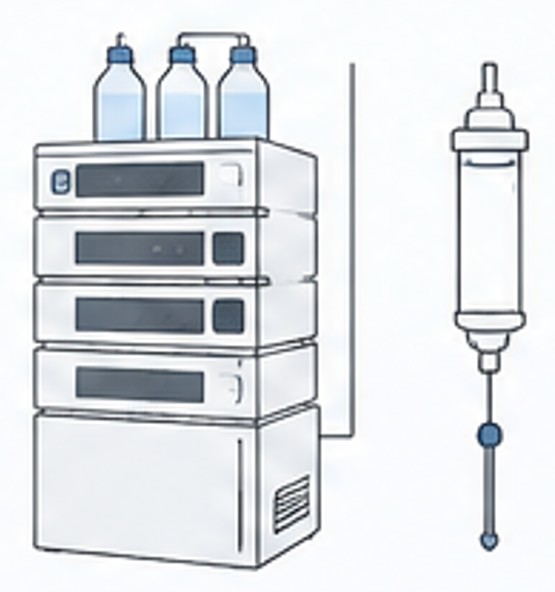
Recurring Column Costs
Expensive columns and stationary phases create ongoing operational burden.
Irreversible Adsorption
Loss of valuable compounds due to binding to solid support.
Solvent Burden
High solvent consumption and waste disposal challenges.
Non-linear Scale-up
Methods that work at lab scale may not translate predictably to pilot or production.
How does CPC Chromatography Systems Solve Complex Pharma Purification Problems?
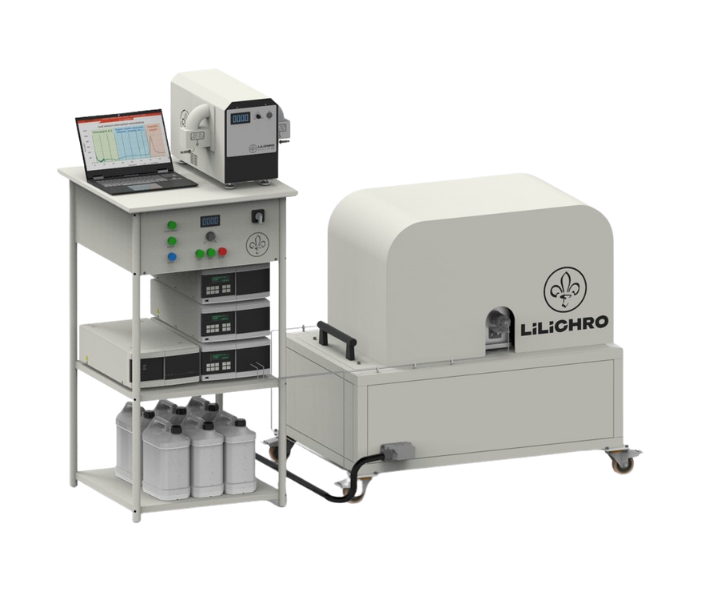
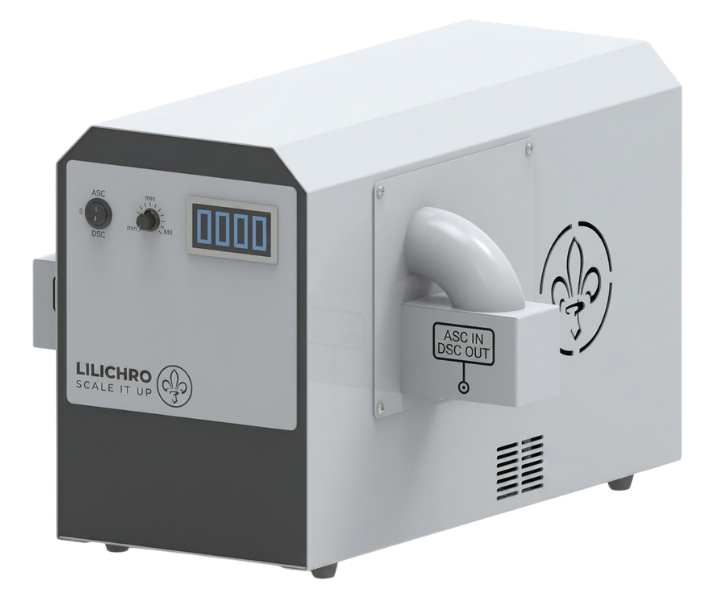
Traditional preparative chromatography is still essential in pharma but as projects move from R&D toward production, solid-phase methods become expensive, difficult to scale, and less efficient for selected compound classes. LiLiChro’s CPC equipment helps pharma teams evaluate purification routes before the process becomes locked into a validated workflow.
1. Support-Free Separation
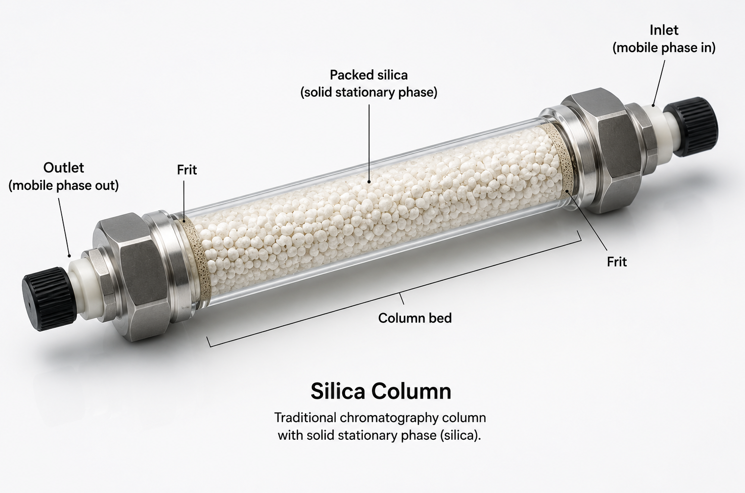
No Silica, No Irreversible Binding
Conventional preparative HPLC and flash chromatography depend on solid stationary phases that can introduce sample loss, column degradation, and recurring consumable costs. LLC replaces the solid phase with a liquid stationary phase, helping pharma teams reduce the risk of irreversible adsorption and improve recovery potential for high-value APIs, peptides, lipids, and sensitive intermediates in suitable applications.

2. Predictable Scale-Up
From Lab to Industrial Production
A purification method that works in the lab still needs to perform reliably at larger scale. LiLiChro systems are designed around linear, scalable CPC method development, supporting a clearer route from lab-scale purification to pilot-scale and industrial evaluation before the process becomes fixed in later-stage development.
3. Flexible Process Integration
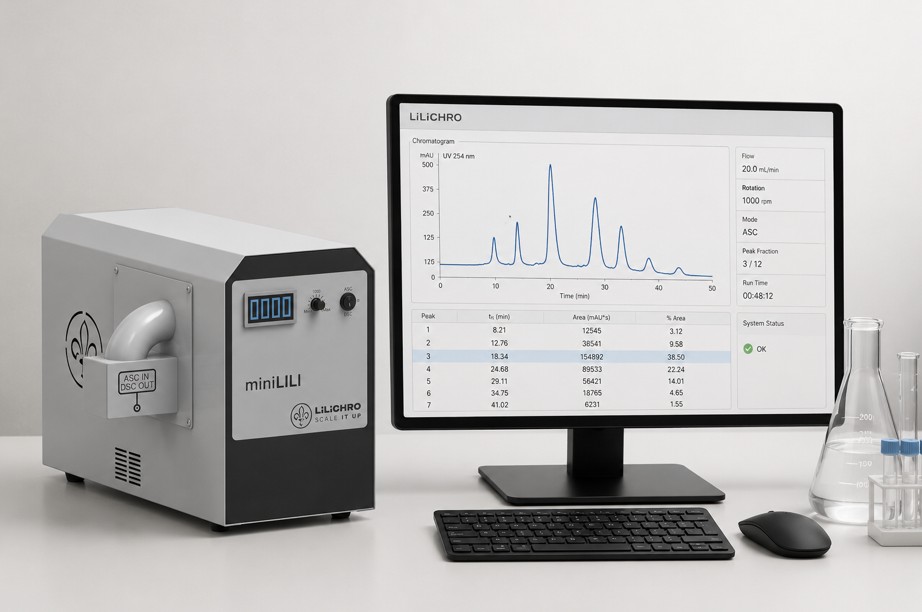
Before, Beside, or Between HPLC
CPC does not need to replace preparative HPLC. In many pharma workflows, it can act as a complementary purification step for capture, enrichment, intermediate purification, or pre-purification before final polishing, helping teams improve the overall purification strategy without forcing a full technology switch.
4. Lower Operating Costs
Reduced Consumables
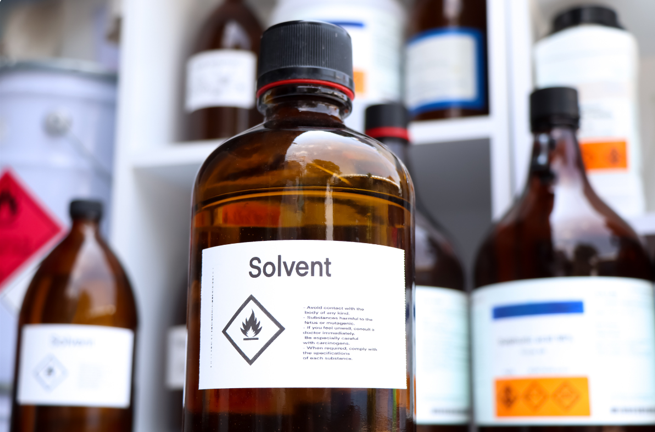
Solvent handling is one of the largest hidden costs in purification workflows. CPC technology significantly reduces solvent consumption while enabling solvent recycling efficiencies up to 85–95%. For companies under ESG pressure, regulatory sustainability requirements, or rising solvent disposal costs this creates both an operational and strategic advantage.
Frequently Asked Questions
Is CPC suitable for all pharma purification workflows?
Not necessarily. CPC is worth evaluating when your current purification workflow suffers from high silica costs, irreversible adsorption, low recovery, clogging from crude extracts, or difficult scale-up. Unlike traditional silica columns, CPC uses a liquid stationary phase, eliminating solid-phase degradation and replacement costs.
Read our article: Where CPC fits in modern pharma
Can CPC handle crude or highly complex samples?
Yes. CPC is especially effective for crude botanical extracts, fermentation broths, high-lipid samples, and difficult mixtures that often foul or clog traditional preparative columns. Because there is no solid stationary phase, LLC systems tolerate “dirty” feeds far better than silica-based chromatography.
What does a feasibility study include?
Go/No go purification validation within a few days, which is a strong basis for deciding whether to implement the LiLiChro equipment in your purification activities. Screening Study (SST) provides a significant answer as to whether your active ingredient can be effectively purified using centrifugal partition chromatography technology. If purification is successful, this provides a suitable basis for a complete purification method, even for large quantities.
How does liquid-liquid chromatography reduce operational costs?
Liquid-liquid systems can significantly lower operating expenses because they eliminate silica replacement costs and enable high solvent recovery rates. Industrial CPC platforms may recover up to 95% of solvents while also reducing waste disposal and downtime associated with column fouling.
Is CPC suitable for pharmaceutical and biotech applications?
Yes. CPC is increasingly used in pharmaceuticals, biotech, natural products, cannabinoids, peptides, and fine chemicals, where high purity, scalability, and gentle separation conditions are critical. It is particularly valuable when traditional chromatography becomes too expensive, inefficient, or difficult to scale.
Check out our Application Notes.

Explore Pharma Purification Insights
Request a free pharma purification feasibility study
Fill out the form below!