High purity Cannabinoid and THC isolation
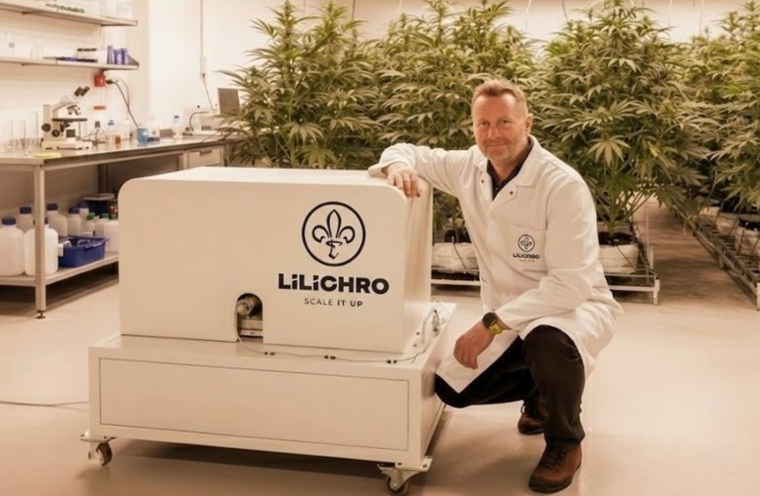
LiLiCHRO
The cannabis industry is rapidly evolving from crude botanical extraction toward precision cannabinoid purification and standardized production processes.
From Plant to Pure Cannabinoids - Where Chromatography Steps In
Chromatography is the critical step that transforms crude extracts into consistent, compliant, and high-value cannabinoid products.
1
Cultivation
High-quality cannabis or hemp biomass is cultivated.
2
Extraction
Target compounds are extracted using CO2, ethanol or hydrocarbon methods.
3
Crude Extract
The extract contains cannabinoids along with waxes, lipids, terpenes, pigments and other impurities.
4
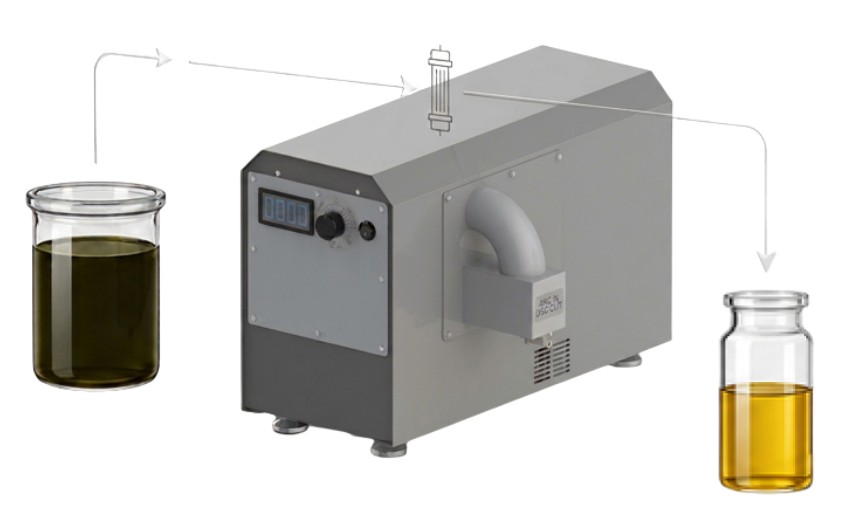
Chromatographic Separation
Chromatography separates target cannabinoids from impurities and enables selective isolation, THC remediation and purification at any scale.
This is where chromatography steps in.
5
Purified Fractions
High-purity cannabinoid fractions (CBC, CBD, CBG, CBL, CBN, CBV, THC, THC) are collected.
6
Formulation & Production
Purified cannabinoids are formulated into final products.
7
Quality Control & Compliance
Every batch is tested to ensure purity, potency and regulatory compliance.
Higher Yield
Recover more of the valuable cannabinoids.
Consistent Purity
Deliver reliable quality batch after batch.
Scalable Processes
Seamless scale-up from lab to industrial production.
Lower Costs
Reduce solvent use, downtime and OpEx.
Cannabinoid purification is the core CPC use case in cannabis industry. After extraction, winterization, and distillation, the material may still contain closely related cannabinoids that are difficult to separate efficiently with prepLC at larger scale.
CPC can be useful for purifying CBD-rich fractions, separating THC from CBD-containing material, or recovering minor cannabinoids such as CBC, CBD, CBG, CBL, CBN, CBV, THC, THCV from side streams or mother liquors. Because the stationary phase is liquid rather than solid, CPC gives method developers flexibility through solvent-system design instead of relying mainly on column chemistry.
The practical value is flexibility: one feedstock may contain several valuable cannabinoid fractions, and CPC can help evaluate which of them are realistic to recover.
Pesticide remediation is not always about isolating one high-purity cannabinoid. Often, the goal is to remove unwanted contaminants while preserving the value of the cannabinoid-rich fraction.
CPC can be considered when the pesticide partitions differently from the target cannabinoids. In those cases, a suitable biphasic solvent system may separate the contaminant from CBD, THC, or other desired compounds without relying on disposable solid stationary phases.
The key question is feasibility. Some pesticides may separate cleanly; others may co-partition with the product and require additional optimization. This makes screening important before assuming CPC is the right remediation route.
Terpenes require a careful discussion because they are volatile, chemically diverse, and often handled through extraction, evaporation, distillation, or formulation rather than classical preparative chromatography.
For terpene-related workflows, the main questions are stability, partition behavior, and whether CPC adds value compared with established terpene-handling methods. A screening study can quickly show whether the sample is a good fit.
The problems are always the same:
Yield losing
Valuable cannabinoids are lost during purification, reducing product yield and overall profitability.
Clogging systems
Crude cannabis extracts foul traditional columns, causing downtime and expensive maintenance.
Inconsistent purity
Variations in extracts and unstable purification processes lead to inconsistent cannabinoid purity between batches.
Scaling problems
Purification methods that work in the lab often become inefficient, costly or unreliable at production scale.
Why LiLiChro’s CPC Equipment Solves These Pain Points
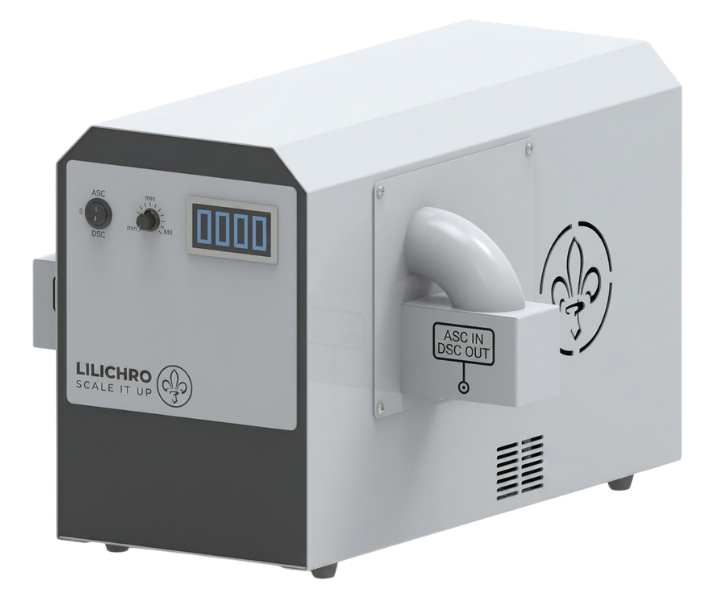
Traditional purification workflows often become increasingly expensive, fragile, and difficult to scale as projects move from R&D toward production. LiLiChro’s CPC platform was designed specifically to eliminate those bottlenecks — without forcing teams into risky process redesigns.
1. No Solid Stationary Phase
No Silica Costs, No Column Fouling
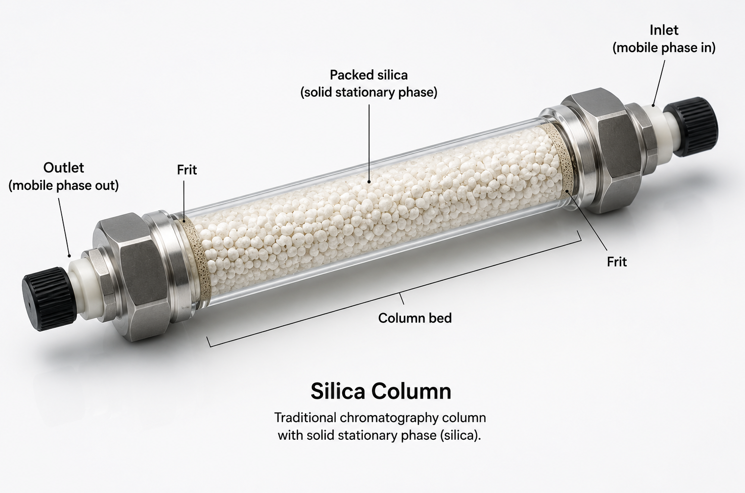
Conventional preparative chromatography depends on expensive solid stationary phases that degrade over time, clog with crude samples, and require constant replacement. CPC eliminates the solid phase entirely by using liquid-liquid separation. For teams processing cannabinoids this dramatically reduces downtime and operating costs.
2. Fully Linear Scale-Up
From Lab to Industrial Production
One of the biggest industrial risks in purification is that a method working at lab scale often fails during scale-up. LiLiChro systems were designed around fully linear scale-up principles: methods developed on miniLiLi can be transferred directly to maxiLiLi, or prepLiLi. Scaling is based on predictable volume and flow-rate relationships.
3. Designed for Real Industrial Use
Not Just Demonstration
Many chromatography solutions perform well under laboratory conditions but become operationally difficult in production environments. MaxiLiLi and prepLiLi systems were developed specifically for high-load separations and continous industrial operation. This means companies can start small, validate safely, and expand capacity only when needed.
4. Lower Solvent Consumption
More Sustainable Processing
Solvent handling is one of the largest hidden costs in purification workflows. CPC technology significantly reduces solvent consumption while enabling solvent recycling efficiencies up to 85–95%. For companies under ESG pressure, regulatory sustainability requirements, or rising solvent disposal costs this creates both an operational and strategic advantage.
Frequently Asked Questions
When should I consider replacing silica-based chromatography with CPC?
CPC is worth evaluating when your current purification workflow suffers from high silica costs, irreversible adsorption, low recovery, clogging from crude extracts, or difficult scale-up. Unlike traditional silica columns, CPC uses a liquid stationary phase, eliminating solid-phase degradation and replacement costs.
Can CPC handle crude or highly complex samples?
Yes. CPC is especially effective for crude botanical extracts, fermentation broths, high-lipid samples, and difficult mixtures that often foul or clog traditional preparative columns. Because there is no solid stationary phase, CPC systems tolerate “dirty” feeds far better than silica-based chromatography.
Is CPC scalable from lab development to industrial production?
One of CPC’s strongest advantages is linear scale-up. Methods developed on miniLiLi or midiLiLi systems can be transferred to maxiLiLi or prepLiLi platforms using predictable scaling formulas for flow rate, injection mass, and rotation speed.
How does CPC reduce operational costs compared to HPLC?
CPC can significantly lower operating expenses because it eliminates silica replacement costs and enables high solvent recovery rates. Industrial CPC platforms may recover up to 95% of solvents while also reducing waste disposal and downtime associated with column fouling.
Is CPC suitable for pharmaceutical and biotech applications?
Yes. CPC is increasingly used in pharmaceuticals, biotech, natural products, cannabinoids, peptides, and fine chemicals where high purity, scalability, and gentle separation conditions are critical. It is particularly valuable when traditional chromatography becomes too expensive, inefficient, or difficult to scale.
Want to know more about cannabis purification?
Fill out the form below!