
CPC Purification compass
LiLiCHRO
Find the real pressure point in your purification workflow
Purification problems are rarely only about purity. They are usually trade-offs between purity, recovery, and throughput. The Purification Compass helps you identify which pressure is limiting your workflow — and what CPC can do about it.
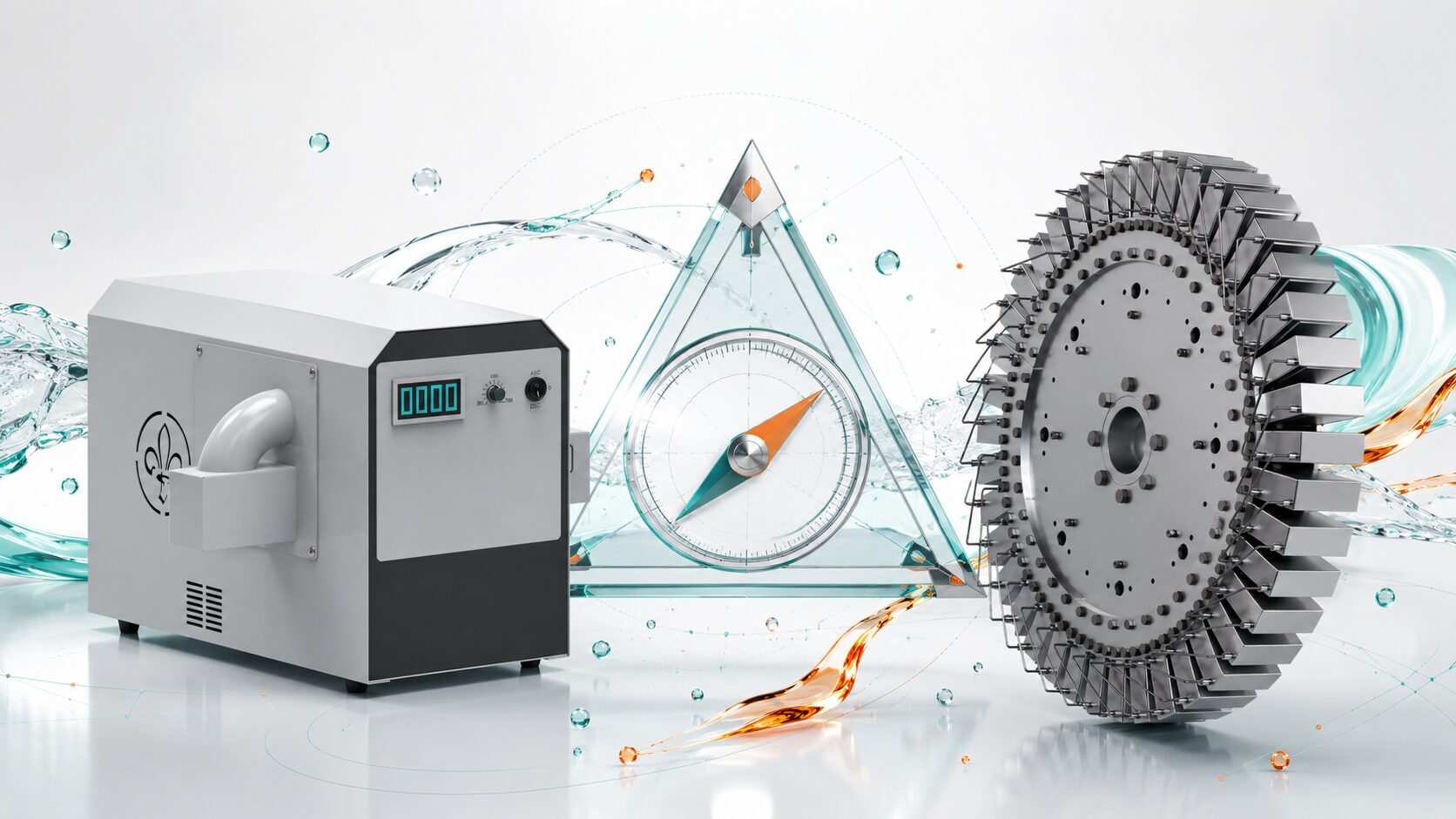
What is the Purification Compass?
Who is the CPC Purification Compass made for?
The Purification Compass is a short technical assessment designed to help you identify the main pressure point in your purification workflow. A method may deliver good purity but lose too much material. It may recover the target compound well, but only at low throughput.
The Purification Compass helps map these trade-offs across three practical priorities:
- Purity — when cleaner fractions, impurity control, or better selectivity are the main challenge.
- Recovery — when material loss, adsorption, or low yield limits the workflow.
- Throughput — when loading capacity, cycle time, or scale-up productivity becomes the bottleneck.
The Compass is designed for teams working with real purification constraints.
It is especially relevant for:
- R&D scientists,
- natural product researchers,
- process chemists,
- pharma and biotech purification teams,
- academic researchers,
- analytical and preparative chromatography users,
- scale-up teams.
After selecting the one or two priorities that matter most, you receive an instant recommendation showing where your workflow pressure sits. You can then receive a more detailed CPC-focused explanation, including what your result means, why this type of bottleneck occurs, and how centrifugal partition chromatography may help address it.
Purity, yield, throughput
Find the next step in your purification workflow
Select the purification pressure that matters most, and get a quick recommendation based on your purity, yield, and throughput priorities.
- High loading potential CPC can support practical scale-up when preparative workflows become limited by capacity.
- Material-conscious separation A liquid stationary phase helps avoid irreversible adsorption and protects valuable feedstock.
- Screening before scale-up A structured solvent-system study can reveal the real bottleneck before equipment decisions.
- No solid stationary phase Liquid-liquid chromatography combines extraction logic with chromatographic selectivity.
Choose at least one priority.
Your quick recommendation
Choose your workflow pressure
Select one or two priorities, then the tool will place your workflow inside the purity, yield, and throughput triangle.
Want the full workflow recommendation?
Enter your name and email and we will send the detailed PDF recommendation to your inbox.
Paste the HubSpot form embed code here. Keep name and email visible, and add hidden fields for the selected priorities and triangle result.